In this article
Heat is the number one reason Sri Lankan drivers tint their windows. A dark film makes a car cooler, protects the interior and adds privacy. But tint is also one of the most common reasons drivers are stopped, and the rules are not always clear.
This guide explains what the police have said about tinted windows, what the percentages mean, and which film types are worth buying for our climate.
This article summarises police statements reported in Sri Lankan media. Rules can be updated, so confirm the current requirements with the traffic police or the Department of Motor Traffic before you tint a vehicle.
What is legal in Sri Lanka?
Police have repeatedly run operations against tinted vehicles, and their statements follow the same pattern:
- Windscreen: only a tinted strip along the top is permitted, about one-fifth (20%) of the glass. The rest should remain clear.
- Front side windows: the driver and front passenger windows should be clear, with no tint film or curtains. Police have said covering them contributes to accidents.
- Rear windows: tinting the rear side and back windows is permitted.
- Windscreen stickers: police announced in September 2025 that only the revenue licence should be displayed on the windscreen, in the lower-left corner.
- Exemptions: certain official vehicles with approval are exempt. Ordinary private vehicles are not.
For most car owners, that means tint decisions are mainly about the rear glass and a top strip on the windscreen. Drivers are usually warned first, but legal action follows if the tint is not removed.
What do VLT percentages mean?
VLT stands for Visible Light Transmission. It is the percentage of visible light that passes through the glass and film together.
- High VLT (70% or more): a light film that looks almost clear.
- Medium VLT (35 to 50%): a noticeable tint with moderate privacy.
- Low VLT (5 to 20%): a very dark tint, often called limo tint.
Remember that many cars already have darker factory privacy glass at the rear. Adding film makes it darker again, so the final result is darker than the film's own rating.
A film's heat rejection is measured by TSER, not by how dark it looks. A good ceramic film can be fairly light and still block more heat than a dark cheap film.
Which tint film should you choose?
| Type | Heat rejection | Lifespan in Sri Lanka | Notes |
|---|---|---|---|
| Dyed film | Low | About 2 to 3 years | Cheapest. Fades and turns purple over time. |
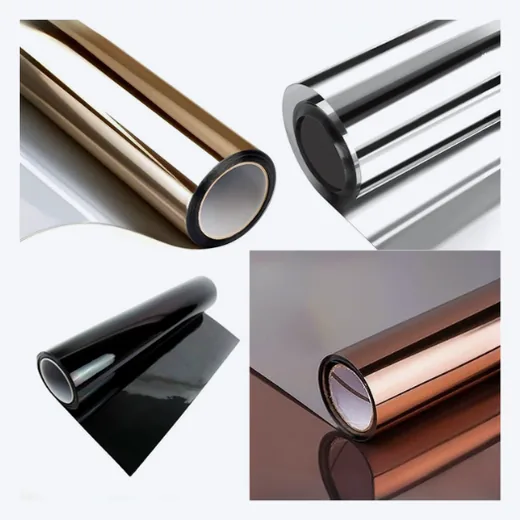
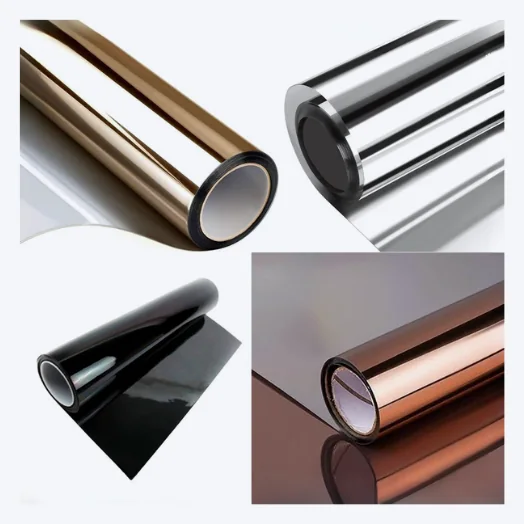
| Metalized film | Good | Several years | Metallic look. Can interfere with phone and GPS signals. |
| Ceramic film | High (TSER 55 to 75%) | 8 to 12 years | No signal interference, excellent clarity, best value over time. |
| Nano-ceramic film | Highest | 8 to 12 years | Premium price. The best heat rejection available. |
For cars that sit parked in the sun, we recommend ceramic or nano-ceramic film. You can read more about film technology in our solar control films guide or on our solar control film page.
Common tint problems and their causes
Small bubbles or haze
Normal in the first 2 to 4 weeks while the film cures. They usually clear by themselves, so do not poke or press them.
Film turning purple
A sign of low-quality dyed film breaking down in strong sunlight. Ceramic film does not do this.
Peeling at the edges
Usually caused by poor glass cleaning or edges cut too close or too far from the glass line.
Weak phone or GPS signal
A known problem with metalized film. Choose a ceramic film instead.
Questions to ask your installer
- What are the VLT and TSER figures for this film?
- Is it dyed, metalized or ceramic?
- Does the film come with a manufacturer warranty?
- Will the final tint level on the rear windows be acceptable under current rules?
- How long should I wait before washing the car?
Car tint FAQ
Can I tint my front windows in Sri Lanka?
Police statements say the front side windows and most of the windscreen should stay clear. Only a strip at the top of the windscreen can be tinted.
Can I tint my rear windows?
Yes. Police have said that tinting the rear windows is legal.
Will tint reduce the heat in my car?
Yes, especially ceramic film. It blocks solar heat and UV, so the cabin stays cooler and the dashboard and seats fade less.
How long does car tint last here?
Cheap dyed film usually lasts about 2 to 3 years in our climate. Good ceramic film can last 8 to 12 years.
Need tint film for a vehicle or building?
Tell us what you are tinting and we will recommend the right film and confirm availability and wholesale pricing.